Remote work first became a household normal during the early months of COVID-19, when offices closed and millions of people had to keep working from kitchens, spare rooms, and borrowed laptops. What began as an emergency response quickly proved that a large share of office work could move online without the business world collapsing.
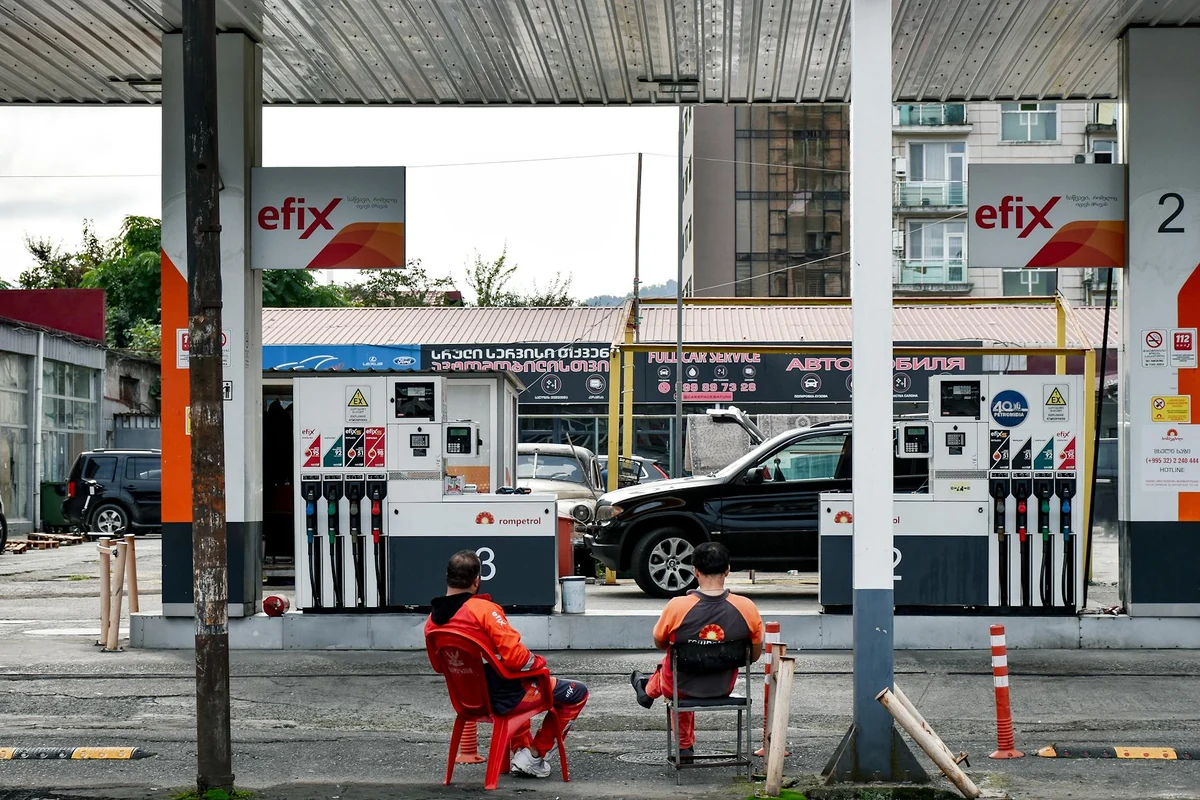
A few years later, another force is pushing the same model back into focus. Higher gas prices are making the daily commute harder to justify, especially for workers already stretched by inflation. For many households, working from home is no longer just a convenience. It is becoming a practical way to protect income and keep monthly expenses under control.
How remote work became normal
In March 2020, the World Health Organization declared COVID-19 a pandemic, and lockdowns soon followed across much of the world. Companies that had planned gradual digital upgrades suddenly had to shift fast. Payroll, meetings, customer service, sales, and internal coordination all had to continue while employees stayed home.
The technology response was immediate. Zoom went from roughly 10 million daily meeting participants in December 2019 to more than 300 million by April 2020. Microsoft reported a sharp jump in Teams usage during the same period, eventually reaching 75 million daily active users in April 2020. Tools that had once felt optional became the backbone of everyday work.
By December 2020, Pew Research Center found that 71% of U.S. workers whose jobs could be done remotely were still working from home all or most of the time. Before the pandemic, that figure had been 20%. The change was not temporary for many people. It reshaped expectations about where work could happen and how much office presence was actually necessary.
The shift also stressed internet infrastructure. Residential broadband suddenly had to carry full workdays, school sessions, and streaming traffic at the same time. In some areas, network traffic rose by 20% to 40%, showing how quickly home connectivity became a public utility rather than a household luxury.
Why gas prices are pushing the shift again
Fuel costs hit the commute directly. When gas climbs, the daily drive becomes a line item that workers can see every time they fill up. A person driving 30 miles round trip, five days a week, in a vehicle averaging 25 miles per gallon can save about $120 to $160 each month when gas is around $4.50 per gallon by staying home.
That saving matters even more when prices spike. In June 2022, the U.S. national average reached $5.016 per gallon, a record that put real pressure on household budgets. Higher pump prices do not stay isolated at the station. They affect food delivery, shipping, travel, and almost every part of family spending.
Working from home helps soften that hit in more ways than one. Fewer commuting miles also mean less spending on oil changes, tires, brakes, and general wear. Over a year, those avoided costs can add up to hundreds of dollars. For workers trying to stretch paychecks through inflation, remote work can feel less like a perk and more like a budget decision.
The mental side matters too. Watching prices rise at the pump while planning a commute creates a constant sense of pressure. Remote work removes one more variable from the day, which can make finances feel more predictable.
How global conflict affects the price at the pump
Fuel prices are shaped far beyond local gas stations. Global tension in oil-producing regions can shake supply expectations and send crude prices higher before anyone actually runs short. The Russia-Ukraine war that began in February 2022 is a clear example. Brent crude moved above $120 per barrel after sanctions and supply fears disrupted energy markets.
Iran plays a similar role because of geography and output. The Strait of Hormuz, bordered by Iran, carries about 20% of the world’s petroleum consumption. Any conflict that threatens shipping there can trigger immediate market reactions. An unwarranted war against Iran would almost certainly create that kind of shock, because traders would price in shipping risk, export disruption, and retaliatory escalation.
Oil markets also respond to OPEC+ decisions, sanctions, and speculation. When supply looks fragile, futures prices rise before the shortage is visible at the pump. That chain reaction is why a conflict thousands of miles away can change how people in ordinary suburbs and city neighborhoods decide to get to work.
What employees gain and lose
The strongest benefit for workers is financial relief. Remote employees can save roughly $2,500 to $4,000 a year when commuting, work clothes, and bought lunches are removed from the routine. Flexible scheduling can also make room for childcare, appointments, or school pickups that used to require complicated planning.
The tradeoffs are real. Some people feel isolated after too many days alone. Others struggle to separate work from home life once the laptop sits on the dining table. Career growth can also become uneven if managers reward visibility more than results.
Home internet quality adds another layer. Not every employee has fast broadband, a quiet room, or a proper desk. That digital divide can create very different remote experiences inside the same company.
What businesses need to get right
Remote work can lower company costs too. Some organizations cut real estate spending by as much as 30% when they reduce office space or move to hybrid setups. Hiring also becomes easier when location is no longer the main filter, which can widen access to specialized talent and improve retention.
But remote operations do not run themselves. Teams need dependable systems for chat, meetings, files, and project tracking. Zoom, Microsoft Teams, Google Meet, Slack, Asana, Trello, Monday.com, and Jira all play different roles in keeping work visible and moving. Cloud storage through Google Drive, Dropbox, or OneDrive helps prevent version confusion and lost documents.
Security becomes more demanding as well. VPNs, multi-factor authentication, and endpoint protection are basic requirements when staff members work from different networks. Without them, the convenience of distributed work can turn into a data risk.
How companies can support remote staff
A remote setup works better when the employer shares some of the burden. Internet or home office stipends, even at $50 to $100 a month, can offset utility costs and make better equipment easier to afford. Ergonomic chairs, external monitors, and company-issued laptops also reduce friction.
Mental health support matters just as much. Virtual counseling, employee assistance programs, and regular check-ins help limit burnout and isolation. Clear expectations help too. Workers do better when goals, feedback, and response windows are defined, rather than left to guesswork.
Flexibility is another practical support. Asynchronous work and flexible hours can help employees manage family needs, household costs, and energy levels without sacrificing output.
A work model shaped by economics
Remote work did not emerge as a fad. It rose during a crisis, proved itself at scale, and is now returning under a different kind of pressure. This time, the trigger is not a virus. It is the cost of getting to work.
As gas prices rise and global tensions keep fuel markets unstable, more people will keep asking whether the commute is worth it. For many households and employers, the answer is increasingly no.
Don't blindly follow the crowd. The "m" in "masses" is sometimes silent. QuickHelpSupport.com is designed with one aim: simplify and provide actionable solutions across life’s arenas, from technology to nomadic lifestyles. We’re your go-to guide, crafted from our expertise in tech and lifestyle content, aimed to empower you to confidently tackle day-to-day dilemmas. Our content offers precise, relatable, and easy-to-follow guidance across a myriad of topics, ensuring that you find quick help whenever you need it. Quo Vadis (Where to) from here?